.png)
Brain Fog Treatment in Lansing, MI
When Your Head Doesn't Feel Like Yours
For patients who feel mentally slow, scattered, or unable to focus — and have been told there's nothing wrong.
Schedule an AppointmentFive Tools That May Support Cognitive Clarity
Cove and hydrogen inhalation lead because both were brought into the clinic with cognitive and nervous-system applications as their primary use cases. The other three sit in the plan depending on what the consultation finds.
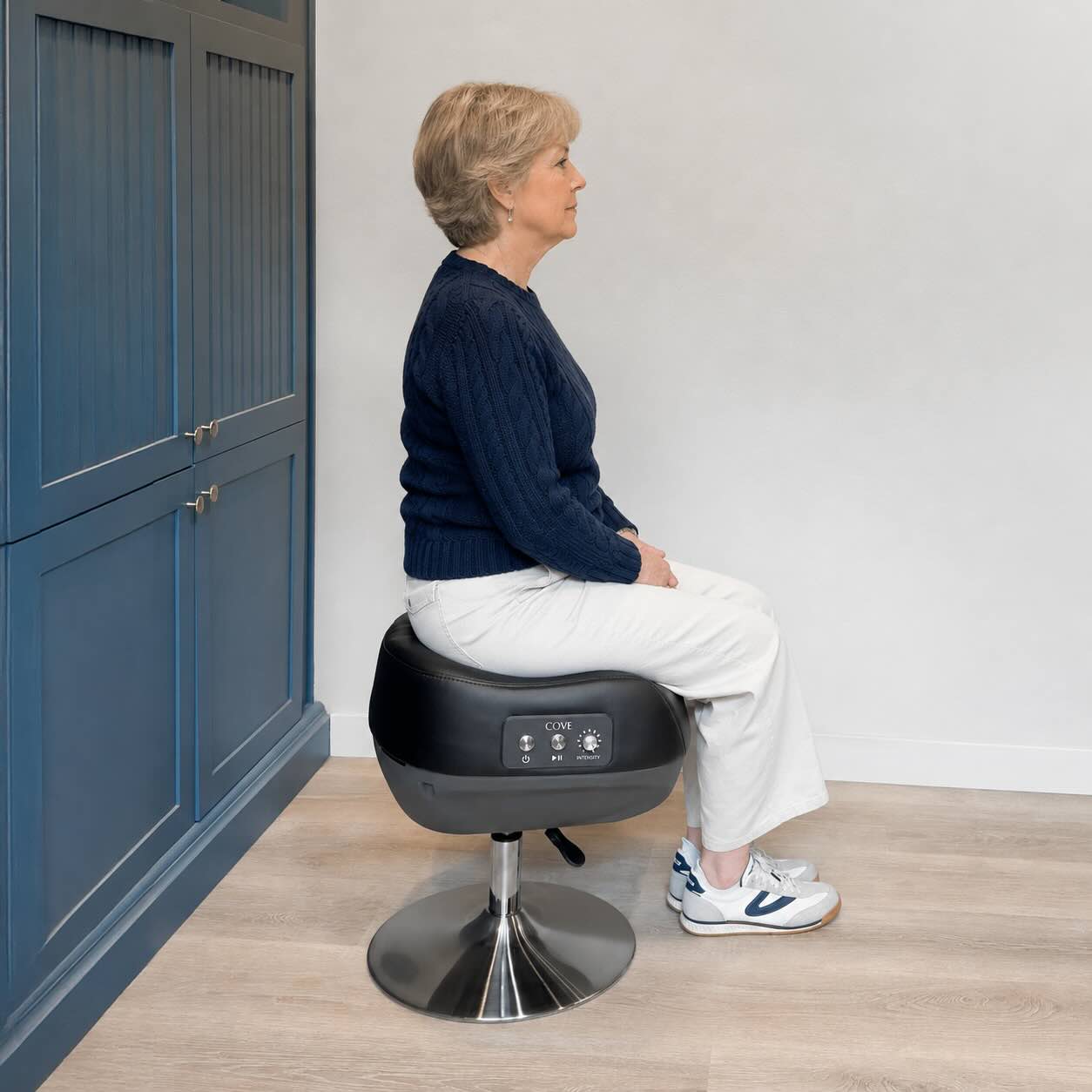
The Cove Brain Reset Chair
Vibration-based neuromodulation aimed at dopamine and GABA — the neurotransmitters governing focus and mental quiet. For brain fog patients whose picture includes scattered attention, an overstimulated nervous system, or trouble settling into deep work, Cove is the most direct sit-down option here.

Molecular Hydrogen Inhalation Therapy
Inhaled molecular hydrogen through a nasal cannula — the delivery route research uses when the target tissue is the brain. Hydrogen crosses the blood-brain barrier, and the bulk of the cognitive and neuroinflammation literature on this molecule depends on the inhalation path specifically.

Functional Medicine Consultation
Where the investigation actually starts. Brain fog rarely has one cause — and figuring out which contributors apply to you, in what order to address them, is what the first long-form visit is built for.

IV Nutritional Therapy
Targeted nutrients delivered intravenously — B-vitamin and methylation support in particular for patients whose workup points to cognitive symptoms tied to nutrient or pathway gaps that oral supplementation has not closed.
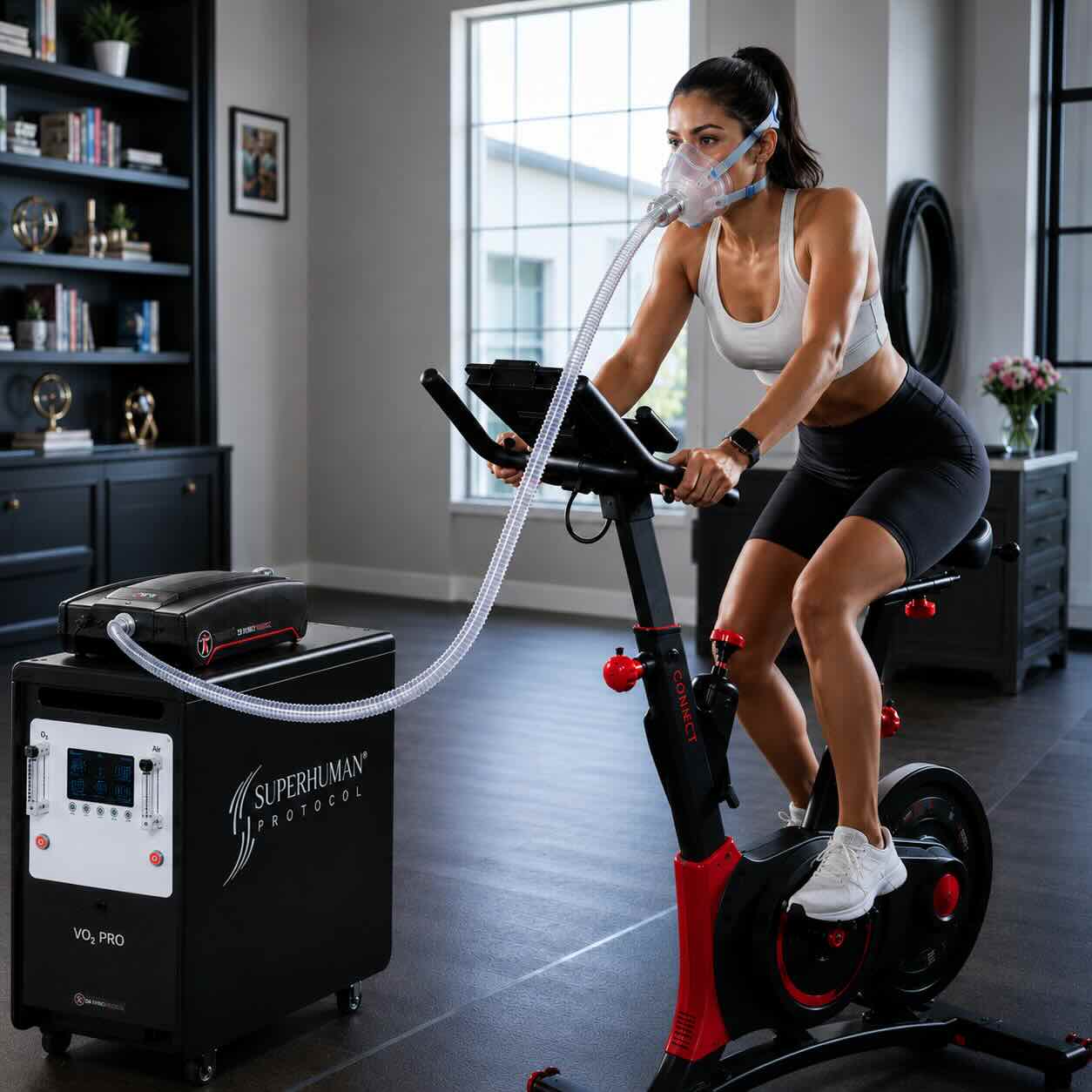
EWOT (Exercise With Oxygen)
Brief sessions of light exercise while breathing concentrated oxygen — built around the principle that brain tissue is metabolically demanding and that cellular oxygenation underwrites every cognitive process.
Cognitive work at this clinic sits inside the broader alternative medicine category — the umbrella under which Dr. Eng's investigative, root-cause-oriented offerings live.
Understanding Brain Fog
Brain fog has a specific shape from the inside. The word you wanted is sitting just out of reach. You read the same paragraph three times. A task that used to take twenty minutes takes ninety. There is a slowness behind your thinking — not sleepiness exactly, more like the signal is muffled — and the people around you cannot quite see it, which makes the experience lonelier than it should be.
The medical encounter that usually follows is recognizable. You bring up cognition; you get a hand-wave about stress, age, or sleep; your bloodwork comes back unremarkable; and the visit ends without a plan. The system is structured around acute and visible illness, and "I don't feel like myself mentally" sits awkwardly inside a fifteen-minute appointment window. That gap is not a moral failing of any individual provider — it is what conventional primary care is built to do versus what cognitive symptoms actually need.
Underneath the symptom, the contributors are usually plural rather than singular. Inflammation, thyroid and adrenal patterns, sex-hormone shifts, methylation and nutrient gaps, gut-brain signaling, post-viral aftermath, sleep architecture, and accumulated stress load all touch cognition through different routes. The work that makes brain fog tractable is figuring out which of those routes are open in your specific case — and addressing them in the order that actually moves the symptom.
A Root-Cause Approach to Cognitive Clarity
Brain fog treatment in Lansing, MI starts here with the same investigative work the clinic uses for every functional-medicine question — applied to cognition specifically. Dr. Janet Eng is a board-certified emergency physician with thirty-plus years of clinical experience, fellowship-trained in medical toxicology, with continued training through the University of South Florida Morsani Personalized Medicine Course, A4M, AMMG, IFM, Frequency Specific Microcurrent, and My Injection Training, and currently participating in the AMSKU Ultrasound Fellowship. Her approach is to read the cognitive symptom against your fuller picture — what your sleep is doing, where your hormones sit, which inflammatory markers are running hot, what your methylation status looks like, whether a post-viral signature is in the timeline — and decide which contributors are worth working on first. Supportive modalities (Cove, hydrogen inhalation, targeted IV, EWOT) get layered in once the investigation tells her which of them actually fit your picture — not as a default starter pack at the door.
What to Expect at the First Visit
Day one is a long-form functional medicine consultation. Dr. Eng listens to the whole picture rather than just the chief complaint — the cognitive timeline, what was happening in your life when the fog began, sleep and stress patterns, prior labs, what other providers have ruled in or out. From there, she may order advanced labs that reach past the standard panel, and she builds a plan that addresses whatever the investigation surfaces. Brain fog rarely resolves in a single visit; the realistic frame is a process — investigation, targeted intervention, reassessment — and Dr. Eng will be honest at each check-in about what is moving and what is not.
Questions About Brain Fog Care
Often, yes. A standard panel is built to flag the conditions it was designed to flag, and a great deal of what drives cognitive symptoms sits outside that panel. Dr. Eng's role is to investigate further — methylation status, inflammatory markers, fuller thyroid, micronutrients, hormone patterns, gut-brain contributors — and decide which of those are worth a closer look in your case.
Brain fog is a real patient experience but not a single clinical diagnosis. It is a symptom — a presentation — with many possible root causes underneath it. Identifying which of those causes apply to you is the part that makes the work meaningful; calling the symptom by its name is just shorthand for the question, not an answer to it.
Honest answer: it depends on what is actually driving the fog. Some patients notice shifts within a few weeks once a contributing factor is addressed; others need longer because the upstream cause sits deeper. Dr. Eng will be direct with you about what is realistic for the specific picture your history and labs paint — and about when to reassess if early steps are not moving the needle.
No — alongside. The work here is complementary to your existing care, not a replacement for it. Your primary doctor stays in their role; Dr. Eng adds an investigative layer short visits rarely have time for. If something in your presentation warrants a neurology referral or another specialist outside her scope, she will say so directly.
Sometimes that's the answer; often it isn't the whole answer. Stress and under-recovery can absolutely fog cognition, but they are usually one piece of a multi-input picture. The approach here is to figure out which inputs are actually contributing for you specifically — stress among them, possibly, but rarely alone — rather than collapsing every cognitive symptom into a lifestyle prescription.
Sudden cognitive changes, severe progression, neurological deficits, or any acute symptom picture belong in an emergency room or a neurology evaluation — not in this kind of outpatient functional work. Dr. Eng will refer urgently when the presentation suggests something acute, and will be honest if a piece of your picture warrants a workup outside her scope before any modality-based plan moves forward.
Ready to Explore
Your Next Step?
Book a consultation with Dr. Eng to discuss whether functional and regenerative medicine may fit alongside your existing care.