.png)
Frequency Specific Microcurrent
in Okemos, MI
Low-level electrical currents tuned to specific frequency pairs — for patients across Okemos, East Lansing, and Lansing, MI seeking targeted tissue support.
Schedule an Appointment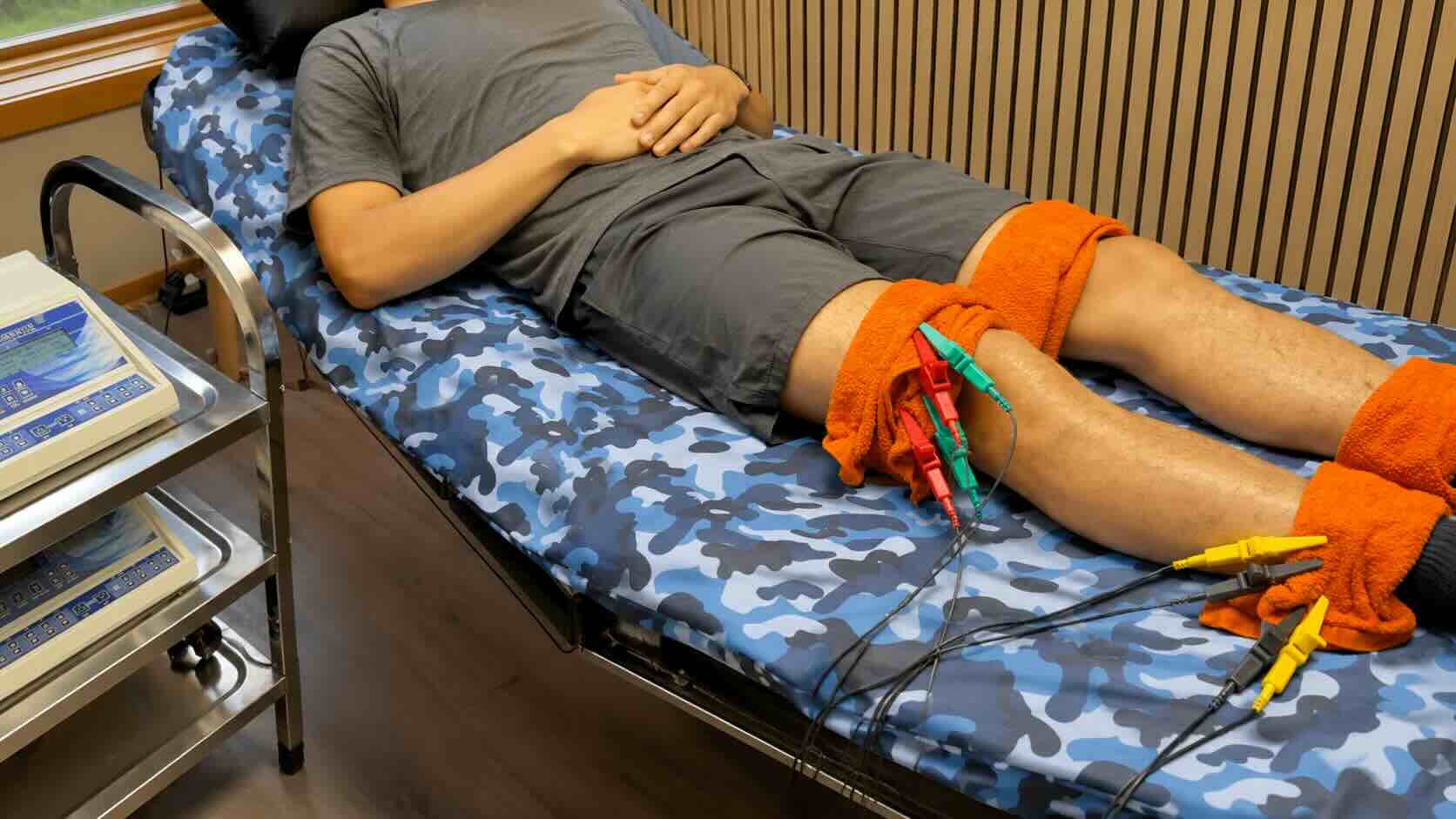
What Is Frequency Specific Microcurrent?
Frequency Specific Microcurrent — usually shortened to FSM — uses very low-level electrical currents, measured in millionths of an amp, delivered through soft, moistened pads on the skin. The current sits below the threshold a nerve can detect — it isn't the kind of stimulation you feel running through the body the way a TENS unit does.
What makes FSM "specific" is the frequency dialed into each session. The delivery system can be set to particular frequency pairs commonly used in FSM clinical practice for different tissue types — connective tissue, nerve, muscle, lymph, joint structures. Those pairs give the modality its name and shape what a given session is designed to support.
Quiet Tool, Specific Targets
FSM is one of the gentler tools in the clinic — patients rarely describe the treatment itself as something they had to push through.
- Designed to support tissue recovery in muscle, tendon, ligament, and fascia*
- May help reduce chronic pain and the inflammation that tends to sustain it*
- Designed to support the body's natural nerve-recovery process after injury or surgery*
- Designed to feel like nothing-to-mild — most sessions read as quiet and calm
- A useful option when other approaches haven't helped, or higher-intensity therapies aren't tolerated
- Often layered with shockwave or red light when a recovery plan benefits from multiple inputs
What to Expect at an FSM Session
A session begins with the pads. Two soft, moistened pads are placed where the current needs to travel — often one above and one below the area being worked on, so the microcurrent can flow through the target tissue. From there, the rest of the visit is genuinely uneventful: you'll feel nothing, or close to it. There might be a faint warmth or tingle on the skin near a pad, but no buzz, no shock, and no muscle contraction.
Sessions typically run somewhere between 30 minutes and an hour depending on the protocol Dr. Eng has built for you. You can read, scroll, or simply rest while the device cycles through the frequency pairs in your plan.
Many patients book FSM as a short series — two to three close-together sessions, then spaced out as tissue responds.
Why Wellness Alternatives
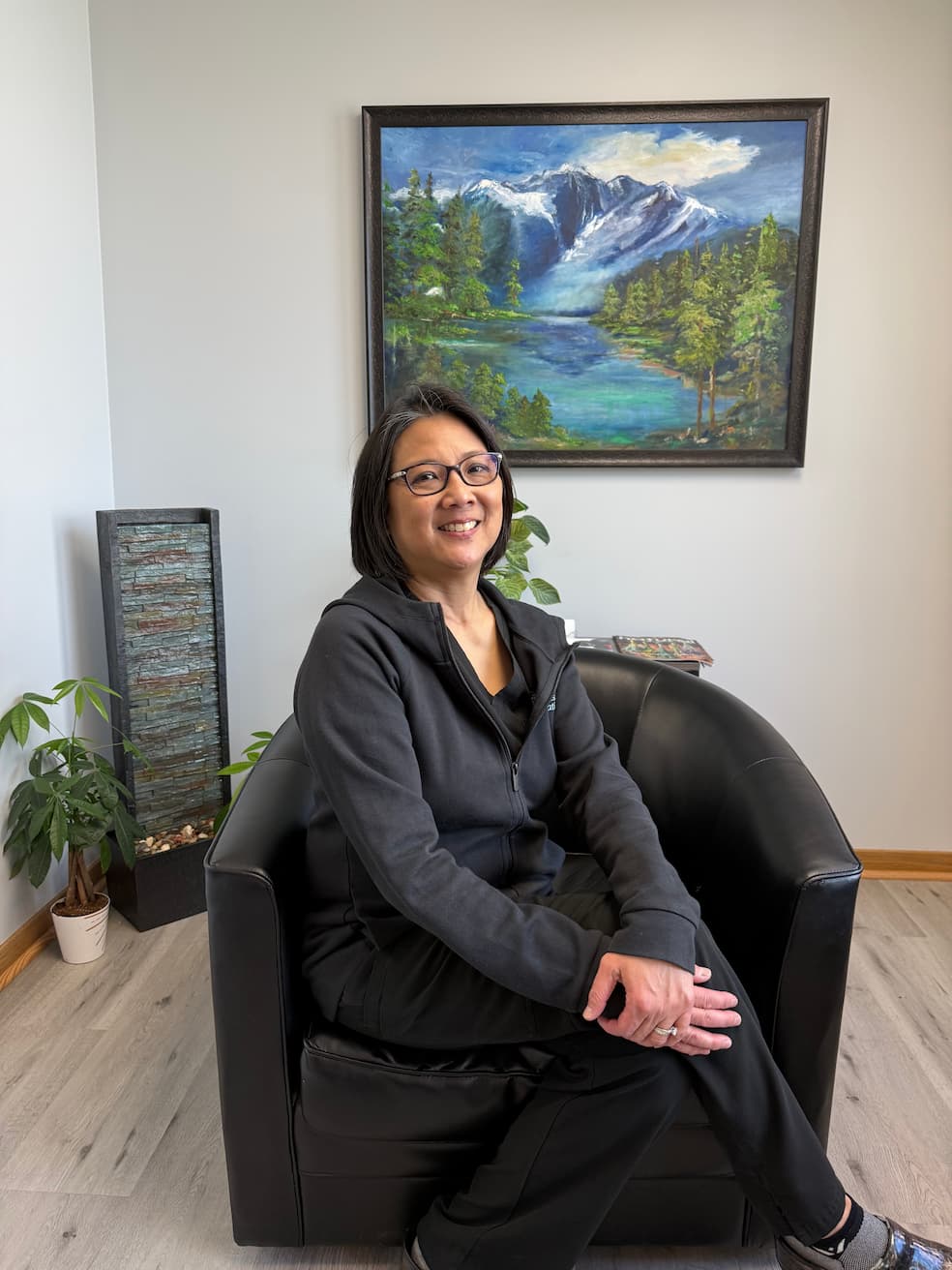
Frequency Specific Microcurrent is one of the modalities Dr. Janet Eng specifically trained in. That training matters here in a way it doesn't for every tool in the clinic — FSM is only as useful as the protocol behind it, and choosing the right frequency pairs for a given patient is a clinical decision built on study and case experience, not on the device alone.
Beyond FSM, Dr. Eng is a board-certified emergency physician with thirty-plus years of clinical experience, fellowship-trained in medical toxicology, with continued training through the University of South Florida Morsani Personalized Medicine Course, A4M, AMMG, IFM, Frequency Specific Microcurrent, and My Injection Training, and currently participating in the AMSKU Ultrasound Fellowship. Whether you're after microcurrent therapy in Okemos or frequency specific microcurrent in Lansing, MI, the protocol you sit through is hers — designed for your body, not pulled from a menu.
Questions About FSM
Most patients feel nothing at all. The current is below the threshold nerves can detect — there is no buzz, no shock, no muscle contraction. Some people notice a faint warmth or tingle on the skin near a pad. Sessions are generally quiet and uneventful.
FSM is a low-risk intervention with a long clinical history. It's not appropriate during pregnancy or for patients with implanted electronic devices like pacemakers; Dr. Eng will review your medical history before treatment.
Most commonly used for chronic and post-injury pain, soft-tissue recovery, nerve-related discomfort, and lingering inflammation. Dr. Eng will assess whether your situation is a good fit during your intake.
It depends on what's being treated and how the tissue responds. Many patients find a short series — two to three close-together sessions, then spaced-out maintenance — works better than a single visit.
A TENS unit uses higher current to block pain signals — you feel it while it's on, and the effect ends with the session. FSM uses currents thousands of times lower, tuned to specific frequencies, designed to support tissue rather than mask pain.
Most insurance plans do not reimburse FSM therapy in Michigan. Call 517-719-0730 for current rates and packages.
Ready to Explore
Your Next Step?
Book a consultation with Dr. Eng to discuss whether functional and regenerative medicine may fit alongside your existing care.