.png)
Red Light Therapy
in Lansing, MI
Full-body sessions on a medical-grade Spectra S10 bed — ten wavelengths of red and near-infrared light, delivered by Dr. Janet Eng, D.O.
Schedule an Appointment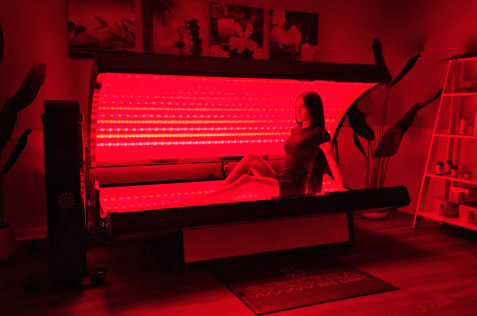
What Is Red Light Therapy?
Red light therapy — sometimes called photobiomodulation — uses specific wavelengths of red and near-infrared light to stimulate activity inside your cells. The light is not heat-based and does not tan or burn the skin. The effect happens at the cellular level, where light energy is absorbed by structures in the mitochondria and converted into a metabolic signal.
Wavelengths matter. Red light in roughly the 630-to-660 nanometer range is absorbed mostly by skin and surface tissue. Near-infrared light, around 810 to 850 nanometers, passes deeper into muscle, fascia, and joints. A clinical bed delivers both bands at therapeutic doses for a full-body session — not just a single-wavelength handheld panel.
Skin, Recovery, and Cellular Energy
What red light therapy is designed to support sits at the intersection of skin, recovery, and the mitochondrial energy underneath everything else.
- Studied for a potential role in supporting collagen production and skin texture across face, neck, and body*
- May help support post-effort muscle recovery and ease everyday soreness*
- Designed to support the body's natural inflammation response in soft tissue and joints*
- Designed to support mitochondrial energy production — the cellular machinery behind how you feel day to day*
- May complement sleep quality and circadian rhythm when used consistently*
- Often paired with IV therapy, microcurrent, or shockwave inside a layered recovery protocol
What to Expect on the Spectra S10
The Spectra S10 is a full-body bed — you lie down inside it, similar to a tanning bed, with panels of red and near-infrared LEDs surrounding you on both sides. Eye protection is provided. Most sessions run a short 12 to 16 minutes, depending on the protocol set for you.
You'll feel a gentle warmth from the LEDs, but the light is not hot — there is no risk of burning, and you can read or rest while the cycle runs. After the session you get dressed and go; no cool-down required.
Many patients book red light as a regular part of their week — two to four sessions during the early phase of a goal, then a maintenance cadence Dr. Eng adjusts as your body responds.
Why Wellness Alternatives
Red light therapy is a low-risk intervention, but the equipment behind it matters. There is a real difference between a consumer panel and a medical-grade bed engineered to deliver a specific dose at specific wavelengths to the whole body in a short, repeatable session. The Spectra S10 sits firmly in the second category.
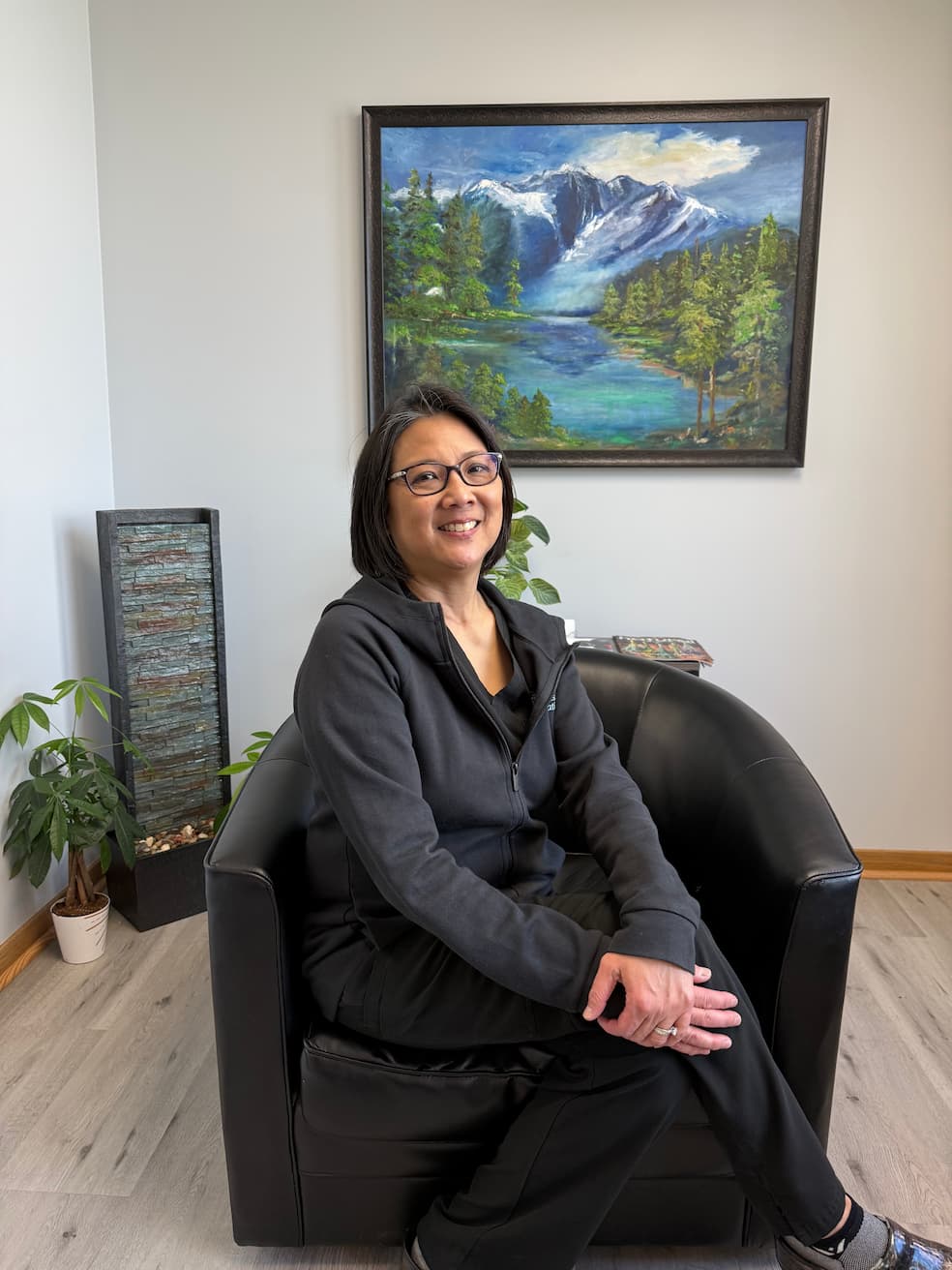
Dr. Janet Eng builds the protocols around the bed the same way she builds every other plan at Wellness Alternatives — board-certified emergency physician, fellowship-trained in medical toxicology, with continued training through the University of South Florida Morsani Personalized Medicine Course, A4M, AMMG, IFM, Frequency Specific Microcurrent, and My Injection Training, and currently participating in the AMSKU Ultrasound Fellowship. The science of dose, frequency, and wavelength is real, and the team treats it that way.
Questions About Red Light Therapy
Yes. Red and near-infrared light at therapeutic wavelengths is non-ionizing, does not damage skin, and does not require recovery time. Eye protection is provided during each session, and Dr. Eng will flag if any of your medications are photosensitive before you start.
You lie down inside the bed while red and near-infrared LEDs surround you on both sides. The light is gentle and warm, not hot — you can read or rest while the cycle runs. Sessions are short, typically 12 to 16 minutes.
It depends on your goal. Many patients book two to four sessions a week in the early phase of skin, recovery, or training goals, then settle into a maintenance cadence Dr. Eng adjusts as your body responds.
Yes. The Spectra S10 is a full-body clinical bed delivering ten wavelengths of red and near-infrared light at therapeutic doses in a short session. At-home panels and handhelds can be useful for targeted spots, but they cannot match the surface area, dose, or wavelength range of a clinical bed.
Most insurance plans do not currently reimburse red light therapy. Call 517-719-0730 for current red light therapy cost and any packages.
Yes — that is often the point. Red light is regularly stacked with IV nutrition, microcurrent, shockwave, or compression therapy when those fit your plan. Dr. Eng sequences them so each one adds to the next.
Ready to Explore
Your Next Step?
Book a consultation with Dr. Eng to discuss whether functional and regenerative medicine may fit alongside your existing care.