.png)
Hormone Optimization in Lansing, MI
Evaluated Clinically, Not Sold a Protocol
For patients who suspect their hormones are off — energy, mood, sleep, libido, weight, cycle, recovery — and want a real workup, not a brushoff.
Schedule an AppointmentThe Adjuncts That Sit Alongside Clinical Work
The five cards below are not the headline of hormone work at this clinic — the consultation and the labs are. These are the supportive layers Dr. Eng reaches for when an individual plan benefits from them.

Functional Medicine Consultation
The clinical core of hormone work. Comprehensive panels Dr. Eng orders against your symptoms, interpreted as a pattern rather than as a list of in-range / out-of-range numbers, and translated into an individualized plan. This is the modality that does the actual hormonal work; everything below it is supportive.

IV Nutritional Therapy
Targeted infusions used in support of adrenal and cortisol-pattern work — B-complex, magnesium, amino acids, and other inputs that hormone synthesis depends on. Particularly relevant for patients whose workup shows depletion driven by chronic stress.

Red Light Therapy
Published research on red and near-infrared light includes work on testosterone in men and on circadian-rhythm support, which sits upstream of the body's natural hormone cycles. Used here as a quiet adjunct rather than a primary tool; Dr. Eng decides where it fits in a given plan.
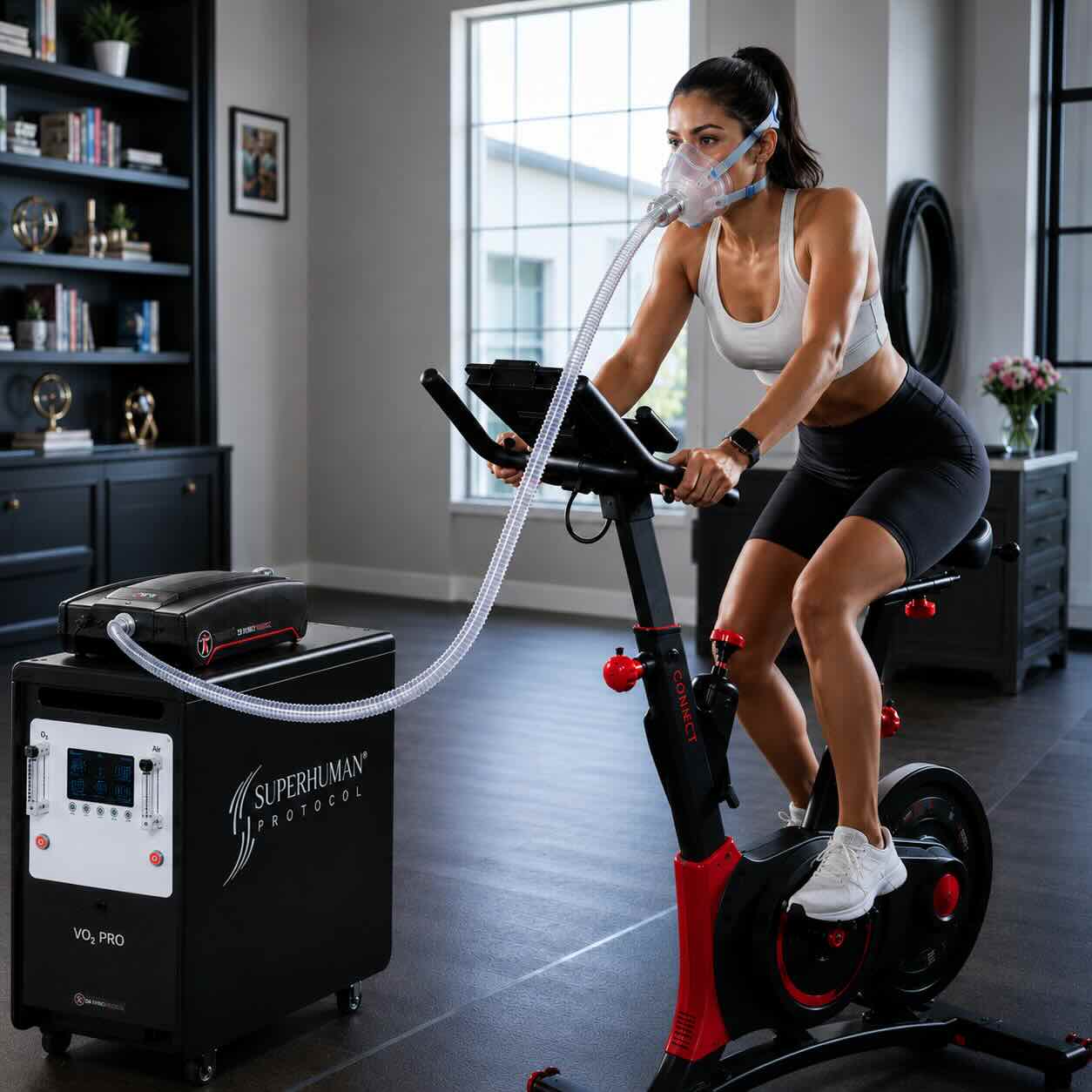
EWOT (Exercise With Oxygen)
Supports the cellular and aerobic capacity that hormone-regulated metabolism depends on. A useful adjunct when the workup points to bioenergetic weakness as a contributor — hormones do their work inside metabolic systems that have to be functioning to respond.

Molecular Hydrogen Inhalation Therapy
Selective antioxidant input that may help support the oxidative-stress side of hormone metabolism. Often a quiet baseline rather than a primary intervention — useful where the picture shows oxidative load worth addressing alongside the clinical work.
Hormone evaluation is grouped with the rest of Dr. Eng's clinical, lab-interpretation-driven work on the alternative medicine hub page — that is where the broader functional and root-cause practice she runs is collected.
When You Suspect Your Hormones Are Off
Patients who come in with a hormone question usually know something has shifted before any test confirms it. Energy is not what it was. Sleep is uneven in a way it never was before. Mood swings show up out of proportion to what is actually happening. Libido has dropped. The cycle is changing. Recovery from effort takes longer than it should. You can feel that the wiring is different — even when the people around you cannot see it and the standard visit ends with "your numbers are fine."
The patients who arrive cluster into a few recognizable groups. Women navigating perimenopause and menopause and looking for somebody who will engage with the whole picture rather than hand off a single prescription. Men dealing with andropause and the slow erosion of testosterone that primary care often does not screen for at all. Adults of any gender whose thyroid has been called "normal" while they continue to feel cold, tired, foggy, and slow. And patients running on a stress-and-cortisol pattern that has compounded over years until adrenal function is visibly out of step.
What a Real Hormone Workup Looks Like
Hormone work is fundamentally a clinical question, not a device protocol — which is why this page leans on what Dr. Eng does as a physician rather than on machines. A comprehensive evaluation typically includes hormone panels for sex hormones and their metabolites — saliva hormone testing or blood hormone testing, depending on which fits your situation — a full thyroid panel with antibodies and free hormones (not just TSH), adrenal and cortisol pattern testing, insulin and metabolic markers, and frequently a nutrient and micronutrient panel because hormone synthesis depends on substrate the body may not be getting. Beyond the labs themselves, the interpretation is where the work actually lives: reading the pattern across all of those measurements together, against the symptom history and the goals you arrive with, and translating that pattern into something actionable.
Dr. Janet Eng is a board-certified emergency physician with thirty-plus years of clinical experience, fellowship-trained in medical toxicology, with continued training through the University of South Florida Morsani Personalized Medicine Course, A4M, AMMG, IFM, Frequency Specific Microcurrent, and My Injection Training, and currently participating in the AMSKU Ultrasound Fellowship. The A4M, AMMG, and IFM portions of that training stack are specifically built around hormone optimization and the broader functional-endocrinology questions this page is about.
A Clinical, Individualized Approach
What optimization looks like in practice depends on what the workup actually finds. For some patients the plan leans heavily on targeted supplementation through a curated dispensary, addressing the substrate gaps the labs flagged. For others the lifestyle layer carries most of the weight — sleep architecture, stress regulation, nutrition timing, and movement patterns that affect hormone signaling directly. For others still, bioidentical hormones become clinically appropriate, and Dr. Eng prescribes them in the same individualized way she handles every other input. None of this is a packaged program. The framework is consistent — investigate, interpret, intervene, re-test — but the contents of any given patient's plan are built for that patient.
What to Expect Across the Arc of Care
The first appointment is a long-form clinical visit focused on the hormonal picture — symptoms, timeline, prior labs, the medications and supplements already in your day, and the goals that brought you in. From that conversation Dr. Eng orders the labs that will actually move the plan, and a follow-up visit walks through the results once they return. The individualized protocol gets built at that follow-up, with re-testing scheduled at the interval the specific markers and interventions call for. Honest timeline: meaningful hormone work generally needs three to six months of investigation, intervention, and reassessment before the picture begins to settle; some patients need longer.
Questions About Hormone Care
Sometimes, in part. Bioidentical hormones can be appropriate for some patients once the evaluation makes the case clinically — and they are not appropriate for others. Dr. Eng's primary tool is investigation and individualized care, not a packaged HRT program. She will be direct with you about whether bioidentical hormones, targeted nutraceuticals, or lifestyle-first work fits your specific picture, and she will say so honestly if your case warrants endocrinology referral instead.
Standard primary-care thyroid screening is usually TSH alone. A real thyroid workup looks at free T3, free T4, reverse T3, and thyroid antibodies — and reads them together rather than reporting each in isolation. Many patients with a 'normal TSH' show meaningful thyroid dysfunction once the broader panel and the pattern across all the markers come into view.
Both. Midlife hormone shifts are one of the most common reasons patients book this work — women navigating perimenopause and menopause, men dealing with andropause and declining testosterone, plus thyroid presentations and adrenal/cortisol patterns across genders. The work in every case is investigation and individualized support, not a packaged protocol applied across patients.
Discussed honestly based on what your evaluation actually shows. Some patients benefit clinically; some do not need them. Dr. Eng makes those recommendations against your labs, symptoms, history, and goals — not as a default add-on or as a marketing line. If she does not think a particular protocol is the right call for your picture, she will tell you so plainly.
Out-of-network typically. Some of the lab work may be covered through standard insurance pathways; the office can run those orders accordingly. Superbills are available for reimbursement consideration on the visits themselves. HSA and FSA funds are accepted. Call 517-719-0730 for current consultation and lab rates.
Some hormone presentations belong with an endocrinologist — severe thyroid disease (including thyroid cancer history), fertility concerns, pituitary or hypothalamic issues, certain endocrine cancers, and complex cases that warrant specialist management. Dr. Eng will refer when your situation calls for that level of care, and she will say so directly during the evaluation rather than running parallel work that does not address what the picture actually needs.
Ready to Explore
Your Next Step?
Book a consultation with Dr. Eng to discuss whether functional and regenerative medicine may fit alongside your existing care.