.png)
Plantar Fasciitis Treatment in Lansing, MI
Non-Surgical Heel-Pain Care
If your first steps in the morning feel like stepping on glass, you already know which spot we mean — and you are not the first patient to walk into the clinic with it.
Schedule an AppointmentTools That May Support Plantar Fasciitis
Shockwave is one of the more recognized non-surgical options for stubborn heel pain, which is why GAINSWave leads this list. The other two are layered in when the picture asks for them — none is treated as a one-size answer, and the sequencing is set by what Dr. Eng learns at intake.
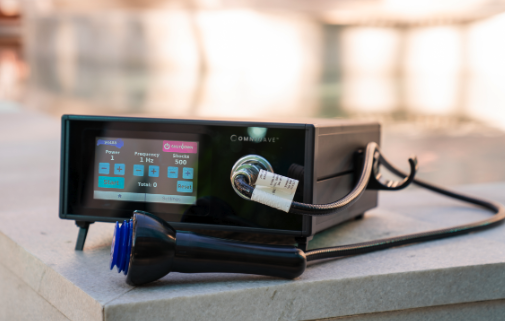
GAINSWave Shockwave Therapy
Shockwave is among the most studied non-surgical tools used for plantar fasciitis. GAINSWave delivers an acoustic-electric pulse to the heel and the fascia underneath — many patients seek it after rest, stretching, and orthotics have plateaued.
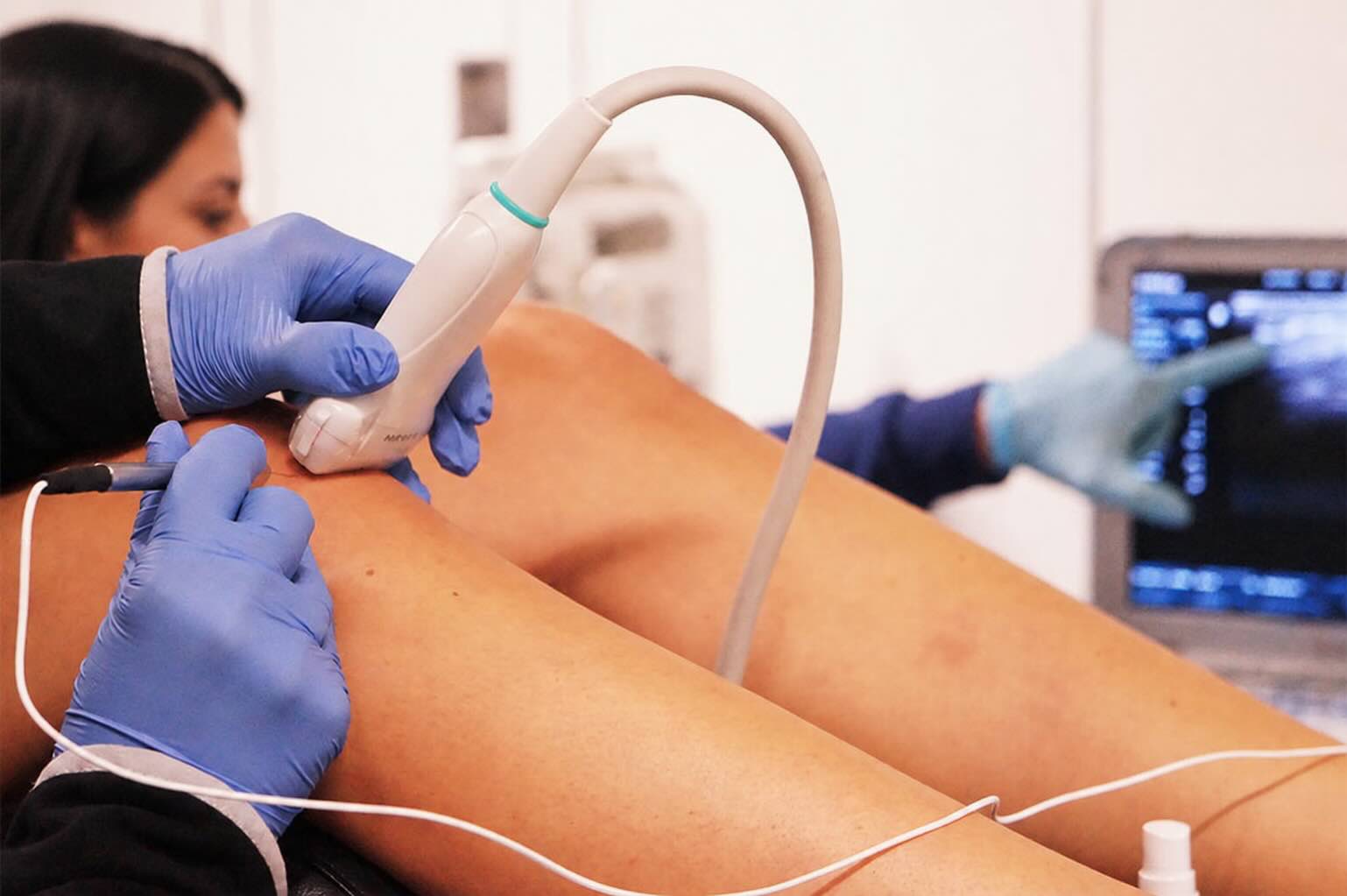
AltPoint Percutaneous Needle Electrolysis
A precision option for chronic plantar fascia presentations that conservative care has not moved — ultrasound-guided needle electrolysis to support tissue repair at the exact attachment under the heel.
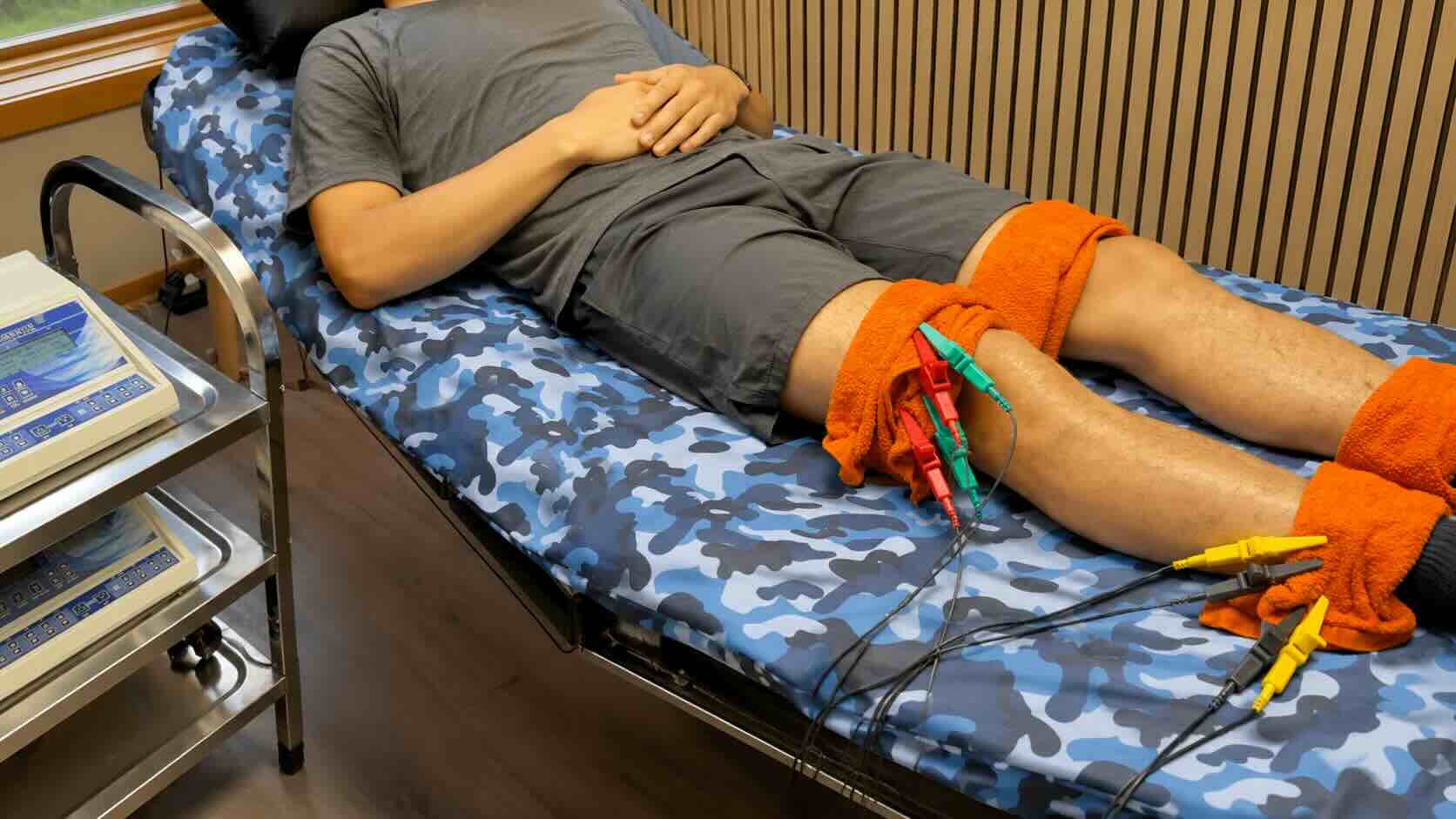
Frequency Specific Microcurrent
Low-current frequency pairs run through soft skin pads, generally below the threshold of sensation. Used when the foot is reactive, inflamed, or has been overworked into a cycle the tissue cannot break on its own.
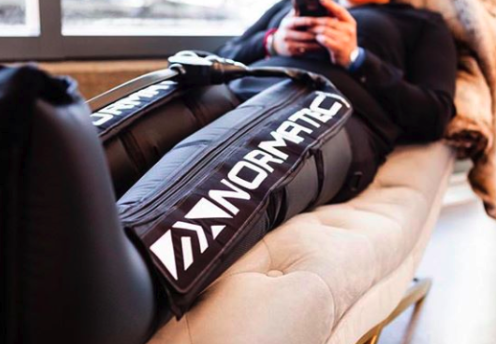
Normatec Compression Therapy
Cyclical leg compression — useful when the calf-and-foot mechanics are part of the picture, because what is happening above the heel often feeds what is happening at it.
These three are a slice of the wider non-invasive pain management toolkit Dr. Eng draws on for musculoskeletal conditions.
Understanding Plantar Fasciitis
The plantar fascia is the thick band of connective tissue that runs along the bottom of the foot, from the heel forward to the base of the toes. Plantar fasciitis is what happens when that band gets aggravated — inflamed, irritated, fibrotic in spots — and starts complaining at the heel attachment in particular. The signature pattern is the one most patients describe before they even have a diagnosis: a sharp ache in the heel during the first few steps of the morning, or after sitting for a long stretch, that loosens once the tissue warms up but tends to come back.
The frustrating part is the lingering. Plantar fasciitis often does not resolve on its own timeline. Runners get it, but so do people on their feet all day at work, and patients whose foot mechanics are quietly asking too much of the fascia day after day.
A Non-Surgical Approach
Plantar fasciitis treatment Lansing MI patients can access at Wellness Alternatives starts with a real assessment, not a procedure menu. Dr. Janet Eng is a board-certified emergency physician with thirty-plus years of clinical experience, fellowship-trained in medical toxicology, with continued training through the University of South Florida Morsani Personalized Medicine Course, A4M, AMMG, IFM, Frequency Specific Microcurrent, and My Injection Training, and currently participating in the AMSKU Ultrasound Fellowship — and the thing she keeps coming back to with foot pain is that injections and surgery are real options, but they are rarely the first ones worth trying. Many patients arrive because they want to exhaust non-surgical avenues before considering more invasive routes — that is the work she is set up to do. You can read more about her background here.
What to Expect at Your First Visit
The first appointment is a consultation — not a session in the boots or under the handpiece. Dr. Eng goes through how the pain started, how long it has been around, what shoes you live in, what work you do on your feet, how your gait looks when you walk for her, and the imaging or evaluations any podiatrist or primary physician has already done. The treatment plan she writes after that conversation is specific to your foot and your context. Sessions are scheduled after the plan, not before it.
Questions About Plantar Fasciitis Care
Shockwave is one of the more studied non-surgical tools used for plantar fasciitis, and the research is fairly favorable — but no honest clinician will hand out promises. Outcomes depend on how chronic the case is, what else is happening with foot mechanics, and how the tissue responds across a course of sessions. Dr. Eng will be candid about realistic expectations before you commit to a plan.
GAINSWave is not a sharp pain — most patients describe a deep tapping sensation with a faint electric component, and the intensity is dialed to what the heel can comfortably tolerate. The other tools in the plan, like microcurrent and compression, are gentler still. There is no anesthesia required and no downtime afterward.
It depends on the case. A typical plantar fasciitis course on shockwave might span four to six sessions spaced out across several weeks, with reassessment along the way. Some heels respond faster, some need more — Dr. Eng adjusts the count based on what she is seeing rather than running a fixed package.
Not instead — alongside. If you are already working with a podiatrist or your primary care doctor on this, keep doing so. The work Dr. Eng does in this lane is complementary; she will coordinate when there is reason to, and she will tell you plainly if she thinks an imaging study or a referral elsewhere is the right next step.
Heel-pain patients in the Mid-Michigan area whose first-line steps — rest, stretching, OTC inserts, and supportive shoes — have not eased the situation. Patients seeking plantar fasciitis treatment in Okemos, plantar fasciitis relief in Lansing, or heel pain treatment elsewhere in Michigan have a real local option here that is not surgery and not just another injection.
Ready to Explore
Your Next Step?
Book a consultation with Dr. Eng to discuss whether functional and regenerative medicine may fit alongside your existing care.