.png)
Stress and Nervous System Support in Lansing, MI
For When "Just Relax" Stops Being Useful Advice
For patients whose nervous system has been wound up for so long it has stopped feeling like a mood and started feeling like physiology — and who want actual tools, not platitudes.
Schedule an AppointmentTools That Sit Alongside the Clinical Work
The Cove Brain Reset Chair anchors the modality side of nervous-system work because it is the device most directly built for the question. The other four show up where the consultation calls for them — supporting the regulation work, not replacing it, and certainly not replacing therapy or psychiatric care.
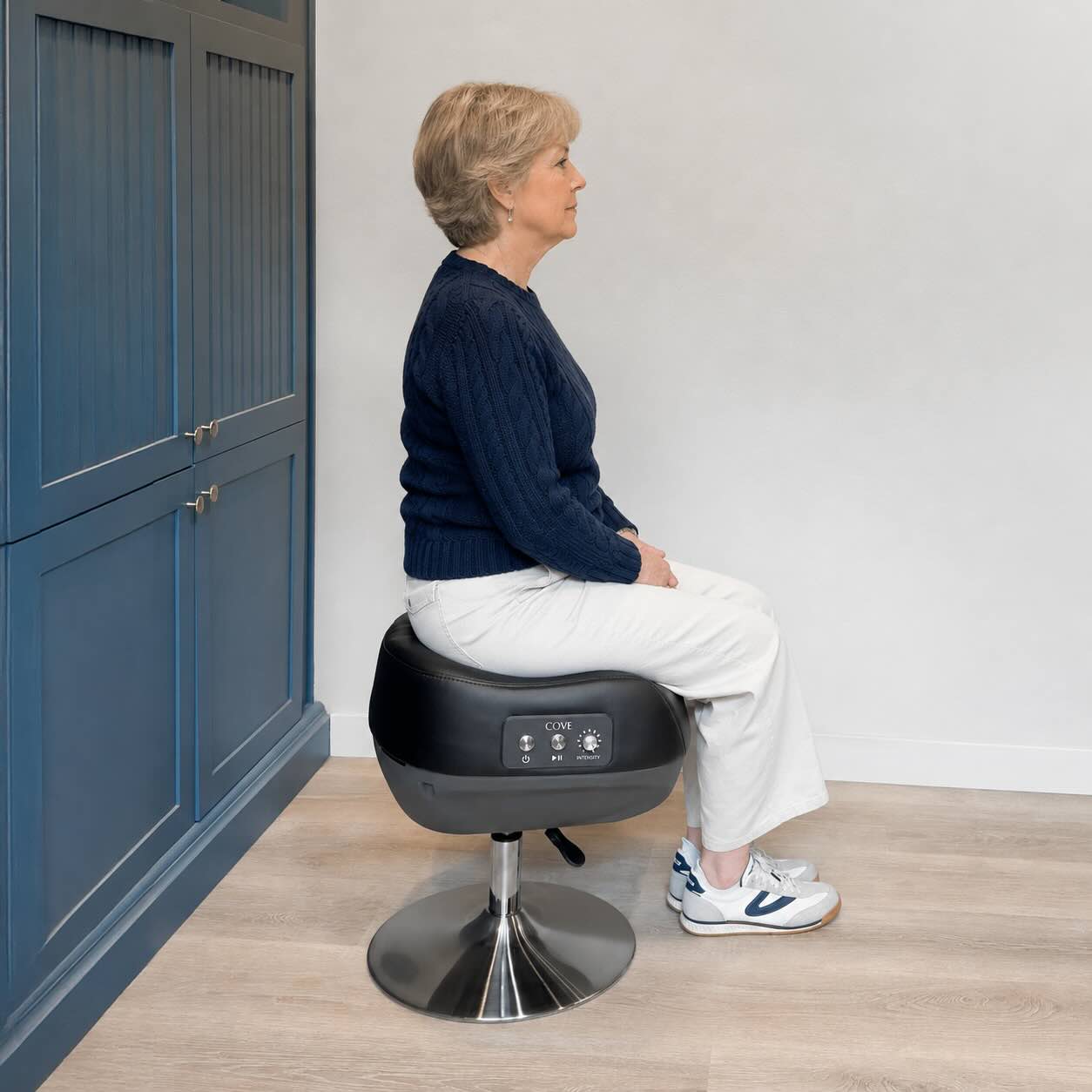
The Cove Brain Reset Chair
Vibration-based neuromodulation aimed at dopamine and GABA — the two neurotransmitters governing motivation, focus, and the body's calming signal. The most directly relevant supportive modality for nervous-system regulation. Ten-minute sessions; framed as a clinical tool inside a plan, never as anxiety treatment.

Functional Medicine Consultation
Where the physiological side of chronic stress actually gets investigated. Cortisol patterns, adrenal function, sleep architecture, thyroid signaling, inflammatory markers, nutrient status — the systems chronic stress disrupts and the ones an individualized supportive plan has to address.

IV Nutritional Therapy
Targeted infusions chosen against the picture the labs paint — magnesium, B-complex, amino acids, and other inputs the stress-response system relies on. Particularly relevant when the workup shows depletion driven by months or years of running hot.

Red Light Therapy
Whole-body sessions using clinically studied wavelengths.* Light exposure has been associated with circadian and nervous-system effects — designed to support regulation, especially when sleep timing and recovery have drifted alongside the stress picture.*
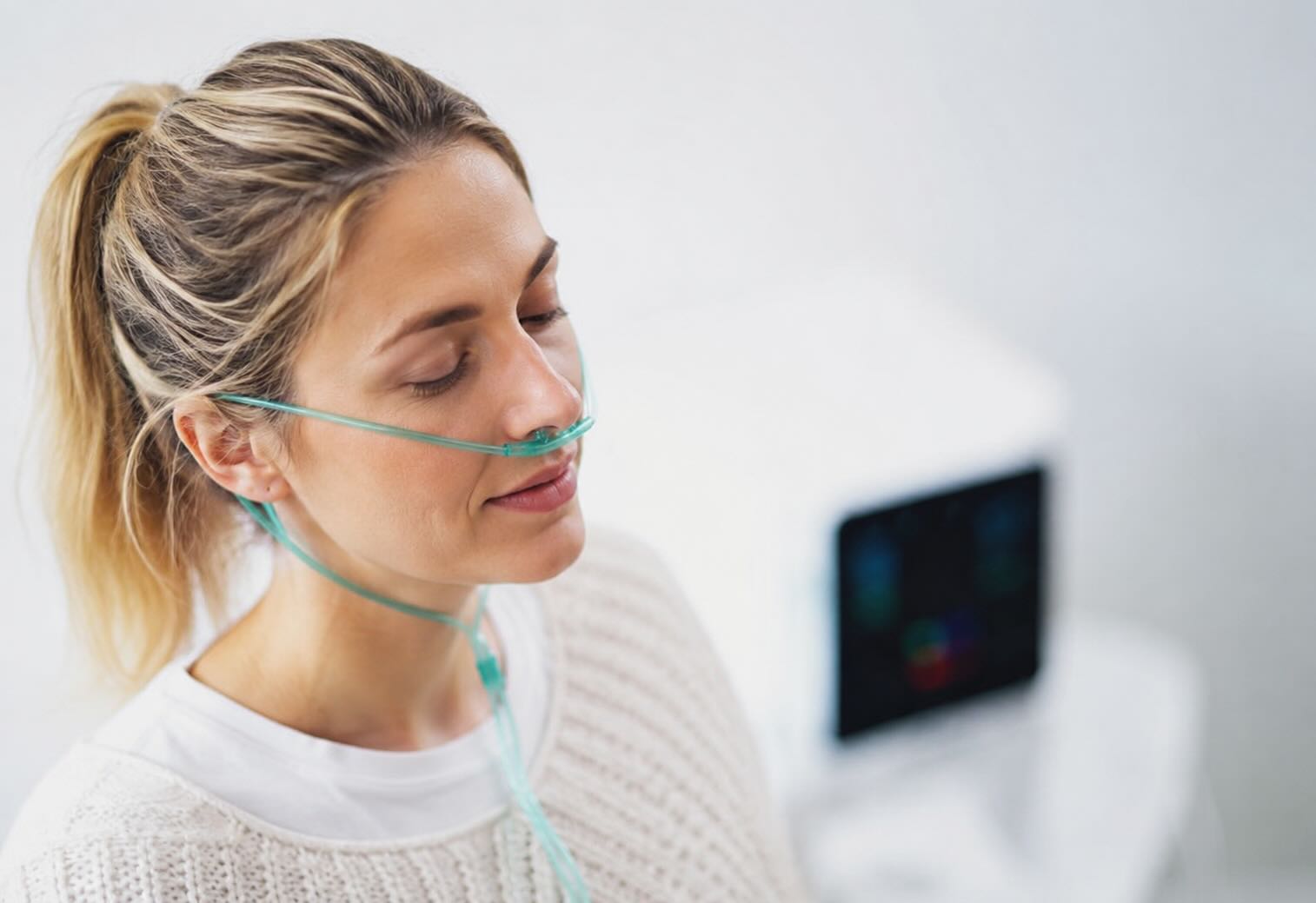
Molecular Hydrogen Inhalation Therapy
Selective antioxidant input that may help with the oxidative-stress load chronic activation generates. A quiet adjunct underneath the rest of the plan rather than a standalone tool — useful where the picture supports it.
Stress and nervous-system work is one strand of the broader alternative medicine practice at this clinic — the category page lists the full set of root-cause-oriented offerings.
When Stress Becomes Physiological
Chronic stress does not stay in the head. Patients who arrive here with a stress-and-nervous-system question usually describe a body that will not settle: sleep that is shallow or fractured, a mind that races at the wrong times, the wound-up feeling that persists even on a day when nothing is actually wrong, energy that crashes mid-afternoon, focus that has thinned out, recovery from exertion that takes longer than it used to. The pattern shows up across many surfaces because the underlying system — the nervous system — touches all of them.
Most patients have heard some version of "you need to manage your stress" already. That advice names the problem without offering tools to actually do something about it, and for someone who has been running hot for years it lands as one more thing to add to a list that is already too long. The work here is built around the gap that advice leaves behind.
What's Actually Happening
Prolonged stress drives a measurable cascade. The HPA axis — the hypothalamus, pituitary, and adrenal glands working together as the body's stress-response system — shifts how and when cortisol gets released. The autonomic nervous system loses the easy oscillation between sympathetic (activated) and parasympathetic (recovery) tone, and starts running with sympathetic dominance as a default. Sleep architecture changes, often before the patient consciously notices. Hormones, digestion, immune function, and the inflammatory baseline all carry knock-on effects. None of this is "just being stressed." It is physiology that has reorganized itself around chronic activation, and physiology is something a clinical workup can investigate and a thoughtful plan can support.
What This Work Is — And What It Isn't
This page is not subtle about its boundaries, because the territory it sits in calls for clarity rather than hand-waving.
What this work is: supportive nervous-system care. Functional-medicine investigation of the physiological contributors to chronic stress, plus modalities designed to support nervous-system regulation. Complementary, additive, and supportive — sitting alongside whatever other care you already have in place.
What this work is not: a treatment for diagnosed anxiety disorders, depression, PTSD, or any other mental health condition. Wellness Alternatives does not provide that care, and if you are seeking it, you need a mental health professional rather than this page. Nothing offered here substitutes for therapy, psychiatric evaluation, or psychiatric medication. If you are already working with a mental health professional, Dr. Eng's role is to work alongside that care, never in place of it.
If you are in mental health crisis, please contact your healthcare provider, call or text 988 (the Suicide and Crisis Lifeline), or go to your nearest emergency room. The work on this page is not the right resource for crisis support.
A Functional Approach to Stress Resilience
Investigation comes first. Dr. Janet Eng is a board-certified emergency physician with thirty-plus years of clinical experience, fellowship-trained in medical toxicology, with continued training through the University of South Florida Morsani Personalized Medicine Course, A4M, AMMG, IFM, Frequency Specific Microcurrent, and My Injection Training, and currently participating in the AMSKU Ultrasound Fellowship. For a stress-and-nervous-system question, that background translates into a workup that looks past surface labs — cortisol pattern testing (saliva or blood hormone panels, chosen to fit the situation), full thyroid signaling, adrenal markers, sleep and recovery patterns, inflammatory and nutrient status. What the data shows then shapes the supportive plan: lifestyle interventions where they are the right lever, targeted nutraceuticals where the labs flag a substrate the body needs, and the supportive modalities below where they fit. None of it is offered as a packaged program; it is built around the picture in front of her.
What the Arc of Care Tends to Look Like
First visits run long and stay focused on the nervous-system side of the picture — what the patient has been carrying, for how long, what other care is already in place, and what the goals actually are. Labs investigating cortisol and related markers often follow, with a results visit to interpret the pattern and build the individualized plan. The realistic timeline is months, not weeks: a nervous system that has been dysregulated for years tends to rebuild regulation gradually, and Dr. Eng paces the plan and the check-ins against that reality rather than against a calendar of stock follow-ups.
Questions About Stress & Nervous-System Care
No. The work here is supportive nervous-system care for adults dealing with chronic stress and its physiological effects — it is not treatment for an anxiety disorder, depression, PTSD, or any other diagnosed mental health condition. Patients seeking treatment for a clinical mental health diagnosis need care from a mental health professional, and that is care Wellness Alternatives does not provide.
No. The Cove Brain Reset Chair supports nervous-system regulation and may help with stress resilience, but it does not treat anxiety as a clinical condition and is not a substitute for medication or therapy. Patients currently taking psychiatric medications should continue working with the physician who prescribes them. Some patients find Cove a useful complement alongside that existing care — Dr. Eng will be candid about whether it fits your specific picture.
Not at all — the two layers complement each other. A therapist works on the cognitive, emotional, and behavioral side of stress; Dr. Eng's work investigates the physiological side and supports nervous-system regulation through medical and modality-based inputs. Many patients find the combination synergistic, with each layer addressing what the other is not built to reach.
Some patients' labs do, and that is information rather than a dead end. Dr. Eng reads patterns across multiple markers rather than reporting each one in isolation, and she looks for the contributors standard screening does not routinely measure. She will be straight with you about what the data shows, what is worth supporting, and where the limits of the work sit.
Meditation and regular movement are excellent for nervous-system regulation, and Dr. Eng will recommend both. The work here adds tools those practices cannot provide — the Cove session, targeted nutrient support, comprehensive lab investigation — that address the physiological layer in a way self-directed practice does not. The framing is additive: do the meditation and the exercise, and layer this in alongside them.
Patients in mental health crisis need crisis care, not this. Patients seeking treatment for diagnosed mental health conditions need a mental health professional. Patients on multiple psychiatric medications should keep their prescribing physician as the primary clinician, with Dr. Eng's work as a supportive layer alongside that care. If your situation calls for specialist mental health care, Dr. Eng will say so directly during the evaluation.
Ready to Explore
Your Next Step?
Book a consultation with Dr. Eng to discuss whether functional and regenerative medicine may fit alongside your existing care.